


Semaglutide for weight loss has become one of the most talked‑about medical approaches to obesity management in recent years. Originally developed to help manage blood sugar in people with type 2 diabetes, this medication is now also prescribed in certain situations to support long‑term weight management.
Interest in the medication has grown quickly as more people search for effective ways to manage weight alongside lifestyle changes. Still, understanding how it works, what results may look like, and what side effects can occur is important before considering it.
This article is educational only and should not replace medical advice. Treatment decisions and eligibility for any medication should always be evaluated with a qualified healthcare professional, and care should be medically supervised.
Semaglutide for Weight Loss: Quick Overview
Semaglutide is a medication that belongs to a class of drugs called GLP-1 agonists. These medications mimic a naturally occurring hormone involved in appetite regulation and blood sugar control.
According to MedlinePlus, semaglutide may be prescribed along with diet and physical activity to help certain adults manage body weight. Clinicians evaluate multiple factors before recommending it, including health history, body mass index, and related conditions.
Because medications that influence appetite and metabolism affect the whole body, most experts emphasize the importance of medically supervised weight loss. Monitoring allows clinicians to evaluate progress, review side effects, and adjust a care plan when needed.
Patients considering treatment may benefit from learning about structured programs that combine lifestyle coaching with clinical oversight, such as a medical weight loss program in Marietta.
How Semaglutide Works in the Body
Understanding GLP-1 Agonists
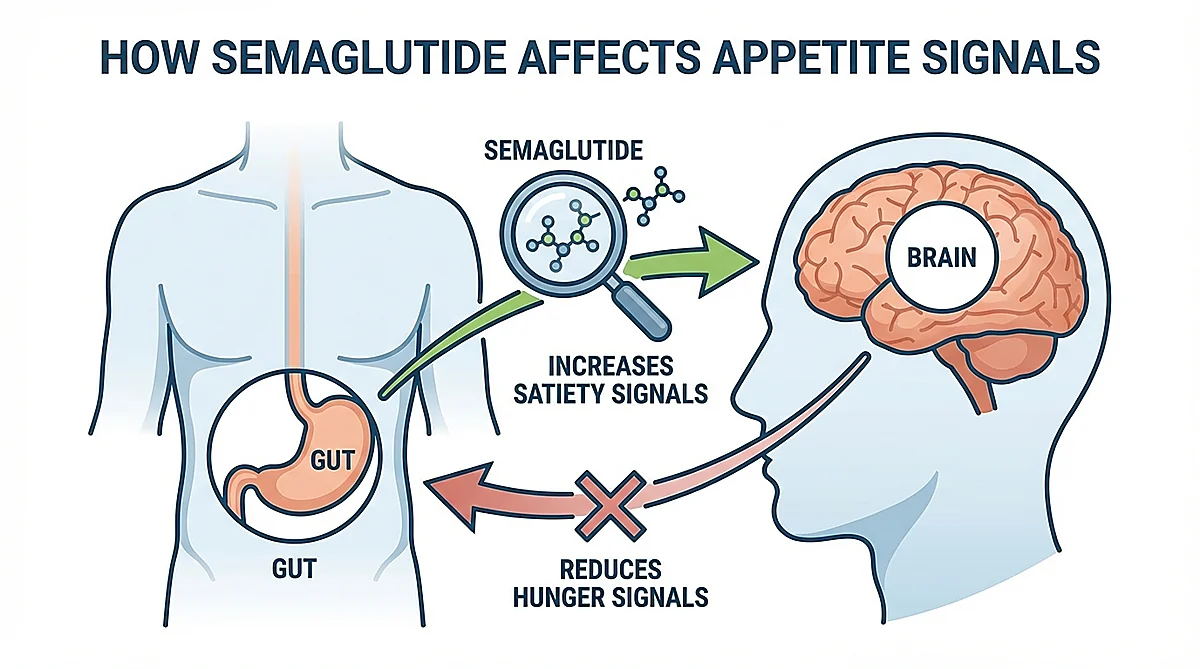
GLP‑1 is a hormone released in the gut after eating. It plays several roles in the body, including helping regulate blood sugar levels and signaling fullness to the brain. GLP-1 agonists like semaglutide mimic this hormone and activate the same biological pathways.
Research summarized by major medical centers suggests these medications may influence appetite and food intake by affecting how the brain interprets hunger signals.
How Appetite and Fullness Signals Change
Semaglutide works through several mechanisms:
- Enhancing signals of fullness after eating
- Reducing appetite for some individuals
- Slowing stomach emptying, which may help people feel satisfied longer
These effects can make it easier for some people to maintain a calorie deficit while working on lifestyle changes.
Why Lifestyle Habits Still Matter
Medications alone rarely replace foundational habits. Nutrition patterns, physical activity, sleep quality, and stress management remain important parts of weight management.
Clinical guidance from institutions such as Mayo Clinic emphasizes that medications like semaglutide are typically used together with diet and exercise strategies rather than as a standalone solution.
Expected Results With Semaglutide for Weight Loss
Studies examining semaglutide for weight loss have shown meaningful average reductions in body weight among participants when the medication is combined with lifestyle interventions.
Clinical trials summarized in medical literature suggest many participants experienced moderate weight reduction over extended periods. However, results vary widely between individuals and depend on several factors, including adherence to nutrition and activity recommendations.
Important factors that may influence outcomes include:
- Consistency with nutrition and lifestyle changes
- Medical history and metabolic factors
- Level of clinical supervision
- Long‑term adherence to the care plan
It is important to understand that medications do not guarantee specific outcomes. Individual responses differ, and a clinician can help determine whether this approach fits into a comprehensive treatment strategy.
Common Side Effects to Know About
Wegovy Side Effects and Other Reactions
The medication semaglutide is marketed for weight management under the brand name Wegovy. As with most medications, Wegovy side effects can occur.
Commonly reported reactions involve the digestive system. These symptoms may occur because the medication affects how quickly the stomach empties and how the body processes food.
Semaglutide Nausea and Digestive Symptoms
Semaglutide nausea is one of the most frequently discussed side effects. Some individuals also report symptoms such as:
- Stomach discomfort
- Vomiting
- Diarrhea
- Reduced appetite
Many people find these symptoms improve over time, though experiences vary. A healthcare professional can help evaluate persistent symptoms and determine whether adjustments to a care plan are appropriate.
Semaglutide Constipation
Another digestive issue some patients mention is semaglutide constipation. Hydration, dietary fiber intake, and clinician guidance may help address digestive changes during treatment.
Anyone experiencing severe or concerning symptoms should contact a healthcare professional. If symptoms are severe or alarming, seek urgent medical care or emergency services.
Safety Considerations and FDA Warnings
As demand for weight loss injections increases, regulatory agencies have raised concerns about unapproved products being marketed online or through non‑medical sources.
The U.S. Food and Drug Administration warns that some companies illegally sell medications claiming to contain semaglutide. These products may not meet safety or quality standards.
For this reason, experts recommend obtaining prescription medications only through licensed healthcare providers and pharmacies. Clinicians can also help monitor safety markers and overall health during treatment.
When to Talk With a Clinician About Weight Loss Injections
Some people explore medical support after struggling with weight management despite consistent lifestyle efforts. A clinician can review whether medication‑based approaches could be appropriate.
Topics often discussed during an evaluation include:
- Medical history and medications
- Previous weight management attempts
- Nutrition and activity habits
- Potential benefits and risks of treatment
- Monitoring plans during therapy
This evaluation helps ensure that any treatment plan is safe, personalized, and medically supervised.
Lifestyle Strategies That Support Semaglutide Treatment
Even when medications are considered, long‑term success usually depends on sustainable daily habits. Many clinicians emphasize combining weight loss injections such as semaglutide with supportive lifestyle strategies.
Nutrition Habits That Support Appetite Regulation
Balanced meals that include lean protein, fiber‑rich foods, and healthy fats may help people feel satisfied longer. These patterns can complement how GLP-1 agonists influence fullness signals.
Some individuals also benefit from structured meal timing, mindful eating practices, and limiting highly processed foods that may trigger overeating.
Movement and Metabolic Health
Regular physical activity supports metabolic health, muscle preservation, and overall well‑being during weight management efforts. This does not necessarily mean intense workouts; walking, resistance training, and daily movement can all contribute.
Clinicians often encourage choosing activities that are sustainable and appropriate for an individual’s health status.
Tracking Progress With Clinical Guidance
Structured programs that provide medically supervised weight loss may include progress tracking such as body composition measurements, lifestyle coaching, and periodic health monitoring.
This type of oversight helps ensure that medication use, nutrition strategies, and lifestyle adjustments work together safely within a personalized care plan.
Summary: Is Semaglutide an Option Worth Discussing?
Interest in semaglutide for weight loss continues to grow as more people learn about medications that influence appetite regulation. For some individuals, it may become part of a comprehensive care plan that includes nutrition guidance, physical activity, and clinical monitoring.
However, medication decisions should never be made without professional guidance. Eligibility varies, potential side effects exist, and long‑term success often depends on sustainable lifestyle habits alongside medical care.
If you’re in Marietta, GA and want medically supervised weight loss, MedFit America can walk you through options and safety monitoring—book a medically supervised weight loss consultation.

Frequently Asked Questions
Are semaglutides safe for weight loss?
Medications in this class can be appropriate for some adults when prescribed and monitored by a qualified clinician. Eligibility depends on medical history, current medications, and overall health.
What are the most common Wegovy side effects?
Digestive symptoms such as nausea, diarrhea, vomiting, or constipation are among the most frequently reported. Reactions vary widely between individuals.
Why do GLP-1 agonists affect appetite?
These medications mimic the GLP‑1 hormone, which helps signal fullness after eating and influences appetite pathways in the brain.
How long does weight change take?
Body weight changes generally occur gradually and depend on lifestyle factors, health conditions, and ongoing clinical supervision.
When should someone seek medical attention during treatment?
Anyone experiencing severe symptoms or reactions should contact a healthcare professional. Seek urgent medical care or emergency services if symptoms are severe or alarming.